 Why Do I Sweat at Night?
Postpartum Night Sweats: Why They Happen and How Long They Last
By the Good Sleep team · October 22, 2026
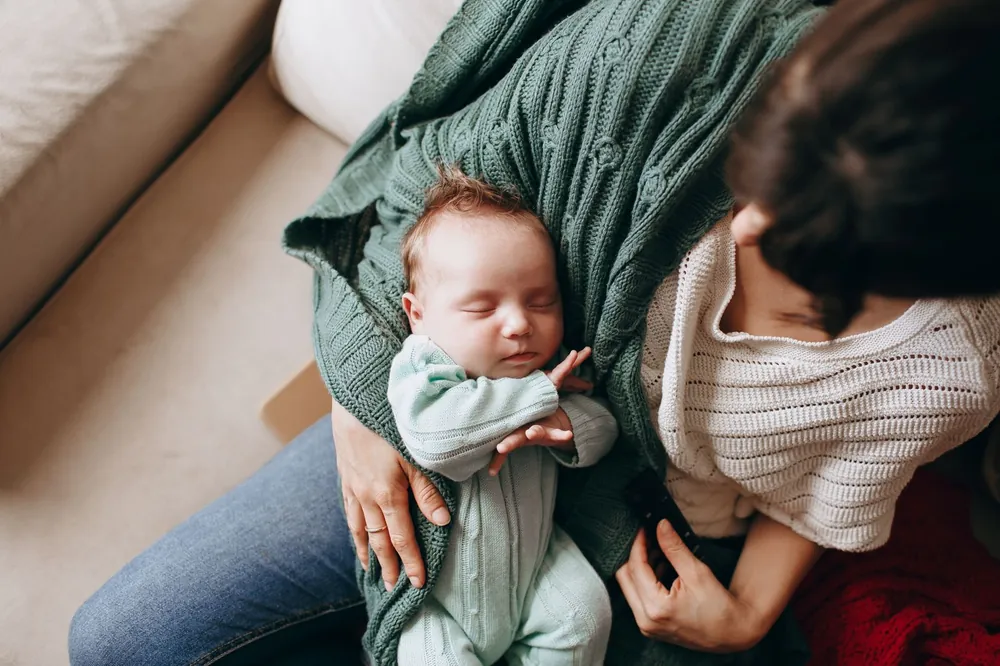
Answer: after birth, estrogen and progesterone fall fast, and your body gets rid of the extra fluid it carried in pregnancy, partly through sweat. Cleveland Clinic says postpartum night sweats are common, usually worst in the first couple of weeks, and typically settle within about six. Breastfeeding can keep estrogen lower for longer.
Why they happen
- Hormone drop. The sharp fall in estrogen affects the brain's temperature control, much like a hot flash.
- Fluid clearance. Pregnancy adds a lot of fluid; your body sheds it through urine and sweat.
- Broken sleep. Night feeds mean you wake more, so you notice every sweat.
Coping in the first weeks
- Put a towel over your pillow and a waterproof protector on the mattress.
- Wear light, breathable sleepwear, and keep a spare by the bed.
- Drink water, especially if you're breastfeeding.
- Keep the room cool. A fan helps, but don't point it at the baby.
- Ask for help with a feed so you can change and settle.
Good Sleep's blog has more on night sweats and what helps, and quick-drying sheets are covered in this night sweats bedding guide.
When to call your doctor
- Fever of 100.4°F (38°C) or higher, or chills
- Foul-smelling vaginal discharge, or pain, redness or swelling at a wound or in the breast
- Night sweats lasting beyond about six weeks
- Feeling very low, anxious or unable to cope
Postpartum infections need prompt treatment. Trust your instincts and call.