 Why Do I Sweat at Night?
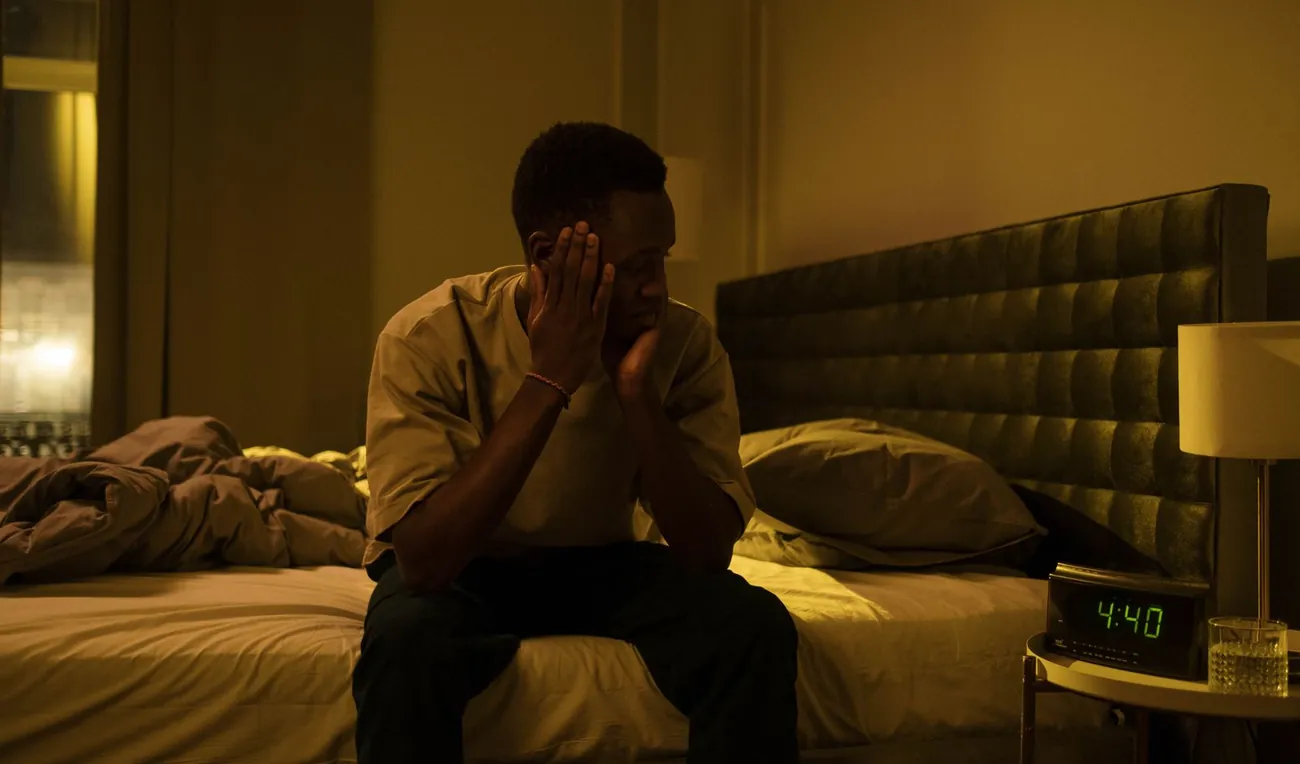
Almost everyone sweats a little in their sleep; it's how your body sheds heat. What brings people to this page is the more annoying version: waking up damp or soaked, changing your shirt at 3 a.m., or flipping the pillow to find a dry side. The fastest way to work out why is to think about when it happens.
Find your situation
When the room or bed is warm
The simplest case: your body is shedding heat. Warm rooms, memory foam, flannel sheets and heavy comforters all slow heat loss.
Try: Bedroom around 60–67°F, breathable bedding, and a cooler sleep surface.
When you're cold
Sweating in a cold room usually means the heat is coming from inside: hormones, alcohol, medication, a fever breaking, or the wrong mix of heavy covers in a chilly room.
Try: Read our guide to sweating at night when you're cold.
Around your period, in perimenopause or menopause
Hormone shifts change how your brain controls temperature. The days before a period, perimenopause and menopause are classic times for night sweats. If you're in your late 30s to early 50s and this is new, this guide to perimenopause night sweats covers that stage in depth.
Try: Track it against your cycle and talk to your doctor if it disrupts sleep.
After having a baby
Estrogen and progesterone drop sharply after birth and your body clears extra fluid from pregnancy, so heavy night sweats in the first weeks are common, according to Cleveland Clinic.
Try: See our postpartum night sweats guide for how long they last.
When you're sick
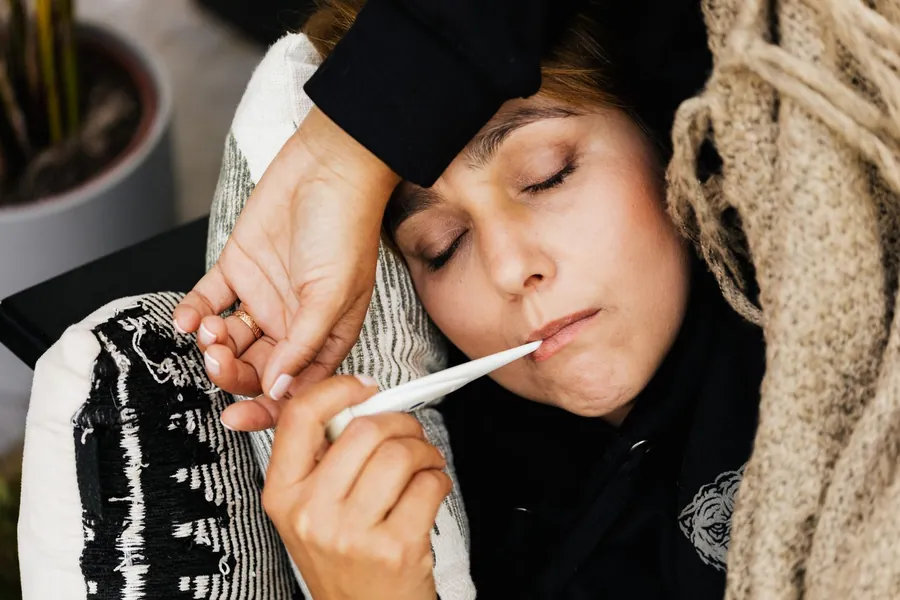
Fever raises your temperature set point; when it breaks, you sweat to cool down. Infections are a common short-term cause of night sweats.
Try: Rest, fluids, and see a doctor for a high or lasting fever.
On a new medication
Mayo Clinic lists some antidepressants, hormone treatments, diabetes medications and fever reducers among drugs that can cause night sweats.
Try: Ask your prescriber; don't stop a medication on your own.
After drinking
Alcohol widens blood vessels in the skin and disrupts sleep later in the night.
Try: Finish drinks about three hours before bed.
When you're stressed or anxious
Stress hormones raise heart rate and turn on sweat glands, sometimes with nightmares.
Try: Wind-down routine, and talk to your doctor if anxiety is affecting sleep.
Less common medical causes
Mayo Clinic and MedlinePlus also list overactive thyroid, low blood sugar, sleep apnea, acid reflux, infections such as tuberculosis, and some cancers such as lymphoma. These usually come with other symptoms, which is why the red-flag list below matters. When no cause is found, doctors may call it idiopathic hyperhidrosis.
Fixes that help in every situation
- Keep the bedroom cool, roughly 60–67°F per Cleveland Clinic.
- Use breathable, quick-drying bedding and sleepwear.
- Cut alcohol, caffeine and spicy food late in the day.
- Keep water and a dry top by the bed.
- Cool the sleep surface itself, not just the air.
Good Sleep has a solid rundown of night sweats causes and solutions on its blog, and if you're replacing sheets, start with this list of the best bedding for night sweats.
A bed you set, then forget
This site is owned by Good Sleep. Its topper circulates water through micro-channels on top of your mattress, set anywhere from 62°F to 110°F from a touch panel on the hub, with no app, Wi-Fi or subscription. Filling the tank takes about two minutes, and setup takes under ten (all per trygoodsleep.com). $1,479 one-time, 30-night trial.
Visit Good Sleep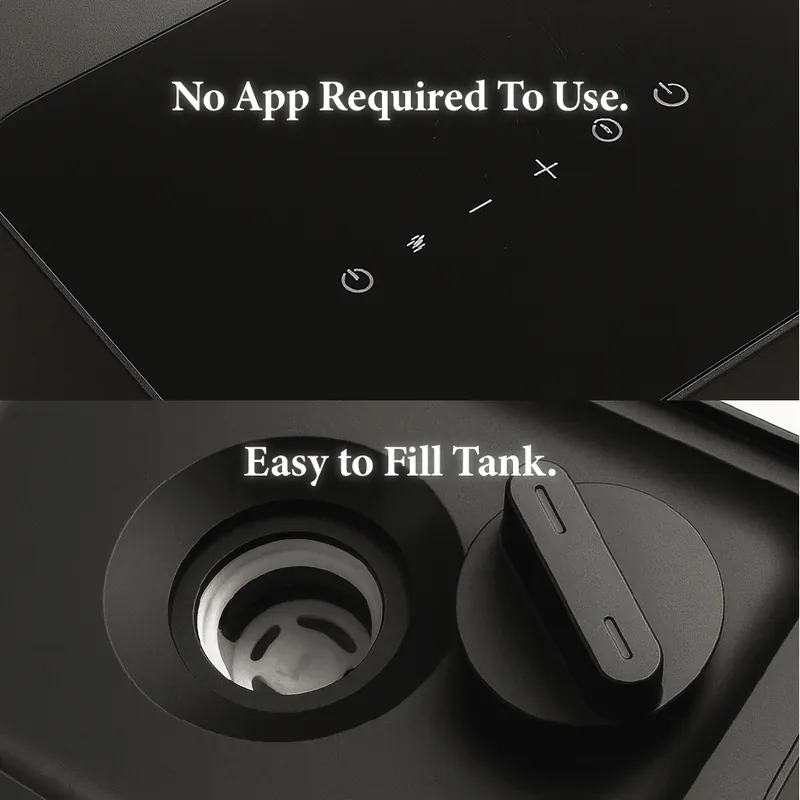 Shop now: Good Sleep cooling & heating topper →
When to see a doctor
- Night sweats happen often or keep disrupting your sleep
- They come with fever, unexplained weight loss, a persistent cough, swollen glands, diarrhea or localized pain
- They started after a new medication
- They began after menopause symptoms had already settled
- Postpartum: fever of 100.4°F or higher, foul-smelling discharge, or sweats beyond about six weeks
These are drawn from Mayo Clinic, Cleveland Clinic and MedlinePlus guidance.
Common questions
Guides
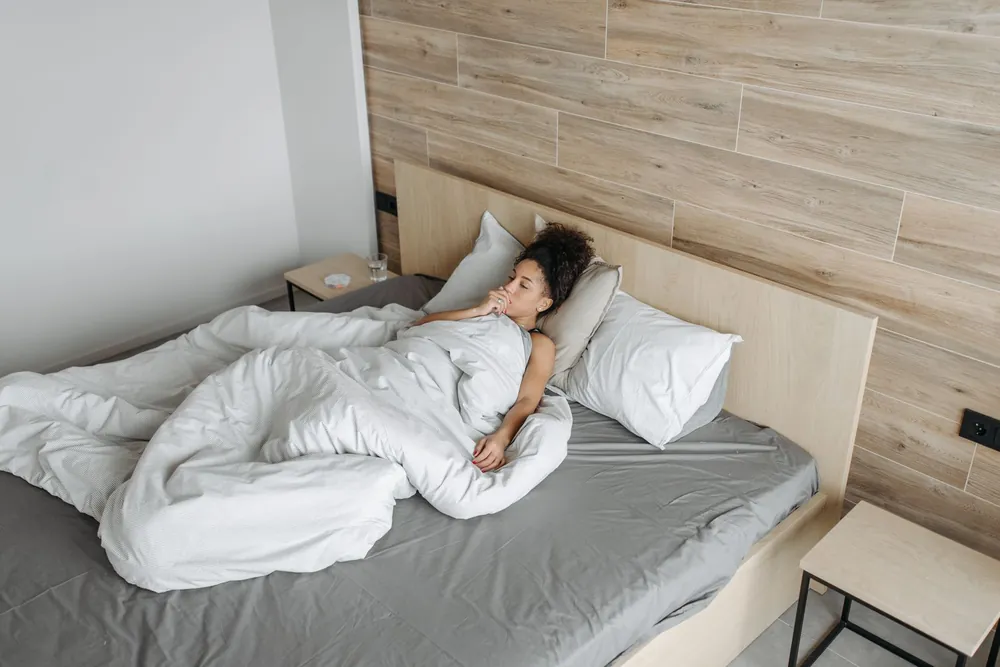 Sweating at Night When You're Cold: Why It Happens
Why you can sweat at night in a cold room: hormones, alcohol, medication, fevers and over-bundling, and how to stop the clammy-cold cycle.
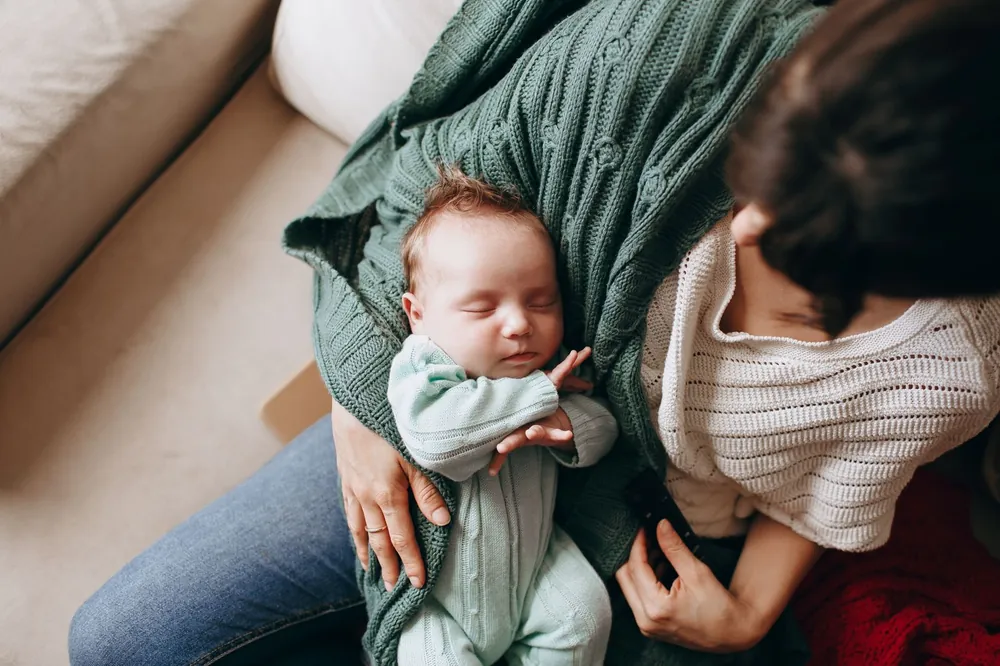 Postpartum Night Sweats: Why They Happen and How Long They Last
Postpartum night sweats explained: hormone drops and fluid loss after birth, how long they usually last, how to cope, and the warning signs to call your doctor.
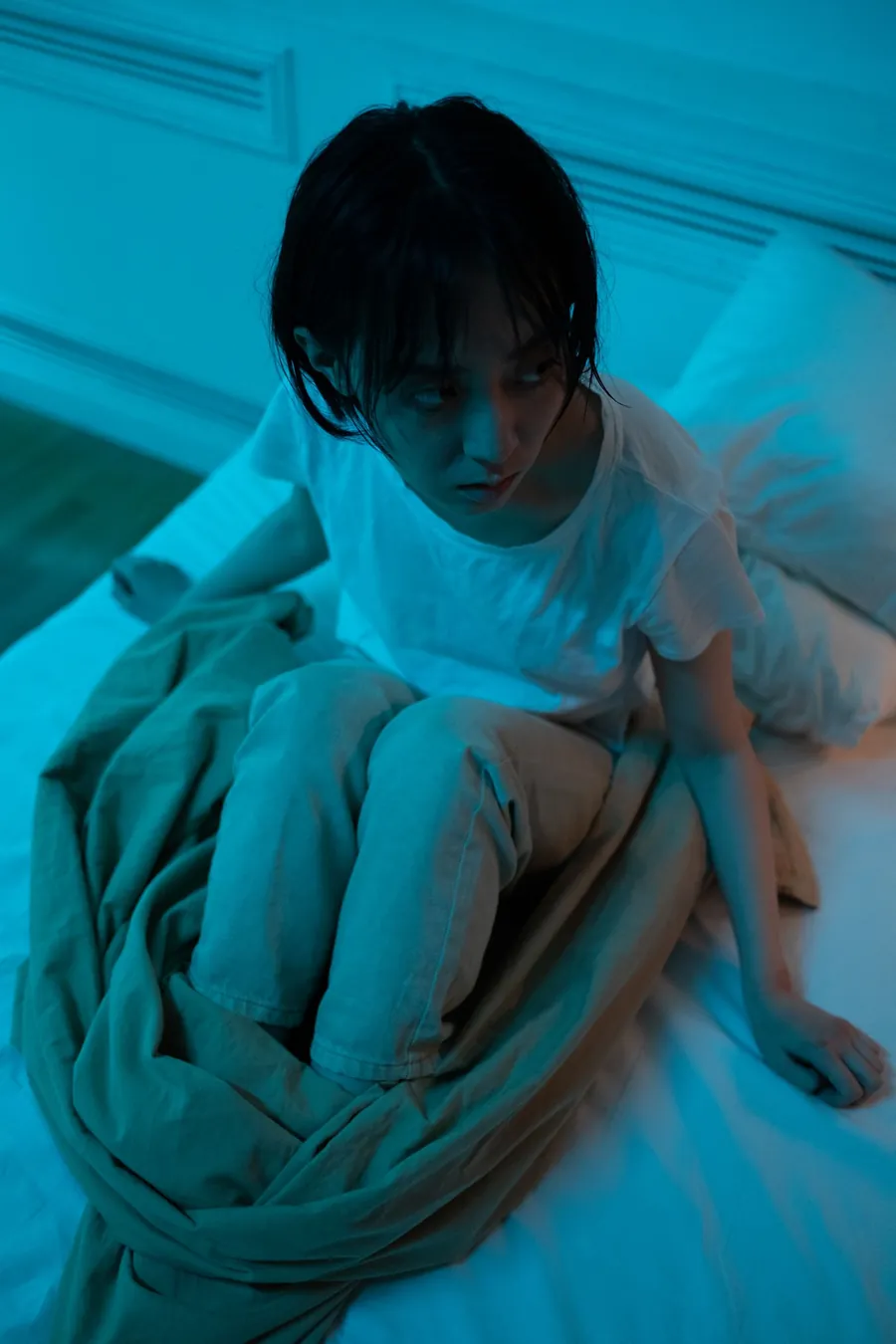 Night Sweats Before Your Period: Why Your Cycle Heats You Up
Why many people get night sweats or run hot before their period: progesterone, the estrogen drop, PMS sleep changes, and what helps that week.
Sources
- Mayo Clinic: Night sweats, causes
- MedlinePlus (NIH): Night sweats
- Cleveland Clinic: Night sweats
- Cleveland Clinic: Postpartum night sweats
- Cleveland Clinic: Progesterone
- Cleveland Clinic: Fever
- Cleveland Clinic: The ideal sleeping temperature for your bedroom
By the Good Sleep team · Not medical advice